
Payments Modernization:
Transform Banking Infrastructure
While Maintaining Operations

The Cost of Delayed Payments Modernization
Payment volumes are moving to providers with better capabilities. Regulatory requirements keep adding complexity. Every quarter of delay makes the problem harder and more expensive to fix.
Client experience erosion
Revenue leakage
Regulatory non-compliance
Client experience erosion
Revenue leakage
Regulatory non-compliance
Operational fragility
Strategic inflexibility
Failed transformation risk
Operational fragility
Strategic inflexibility
Failed transformation risk
Making Modernization Work
Commercial Banking Payment Maturity Model
Datos Insights understands the importance of providing business clients with the payment technology and tools they need and expect from their financial institution. Payments modernization is a journey that looks a bit different for every bank, but every bank has strengths to build from and steps that can be taken to enhance their payment offering to increase market potential. By answering these questions, the Datos Insights maturity model can help you understand your banks position and what the most important next steps are.
Approximate Time to Complete: 5 mins
Industry Events
Our exclusive Commercial and Small Business Banking Forum and Retail Bank Transformation events help leaders make better technology decisions through unbiased research, case studies, and peer perspectives.
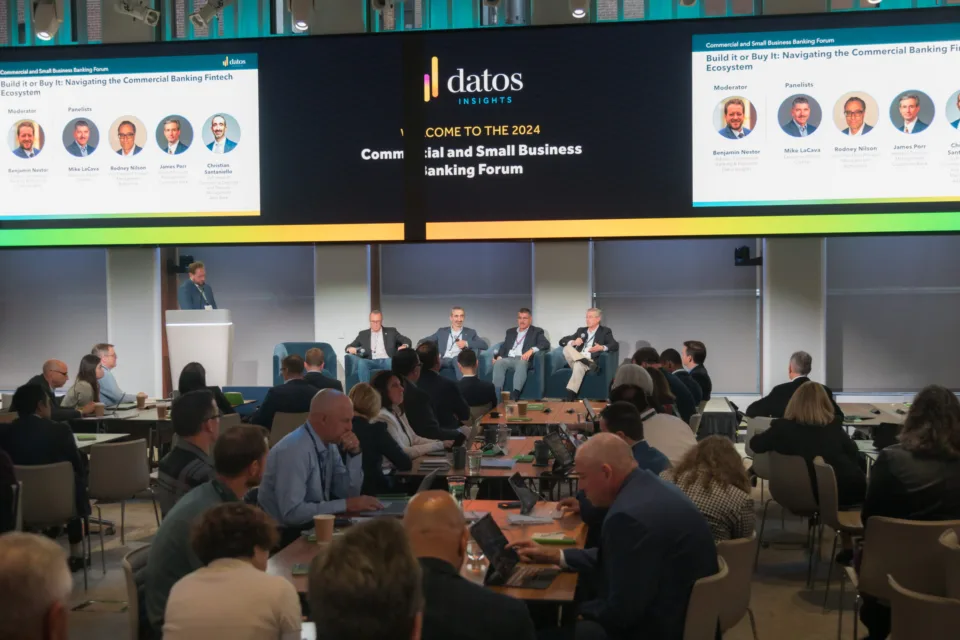
Commercial and Small Business Banking Forum
October 20, 2026 | New York
Commercial banking executives and payment technology leaders connect on payment infrastructure transformation, core banking decisions, and digital strategy. Research-driven sessions and peer discussions on challenges facing mid-market and business banking operations.
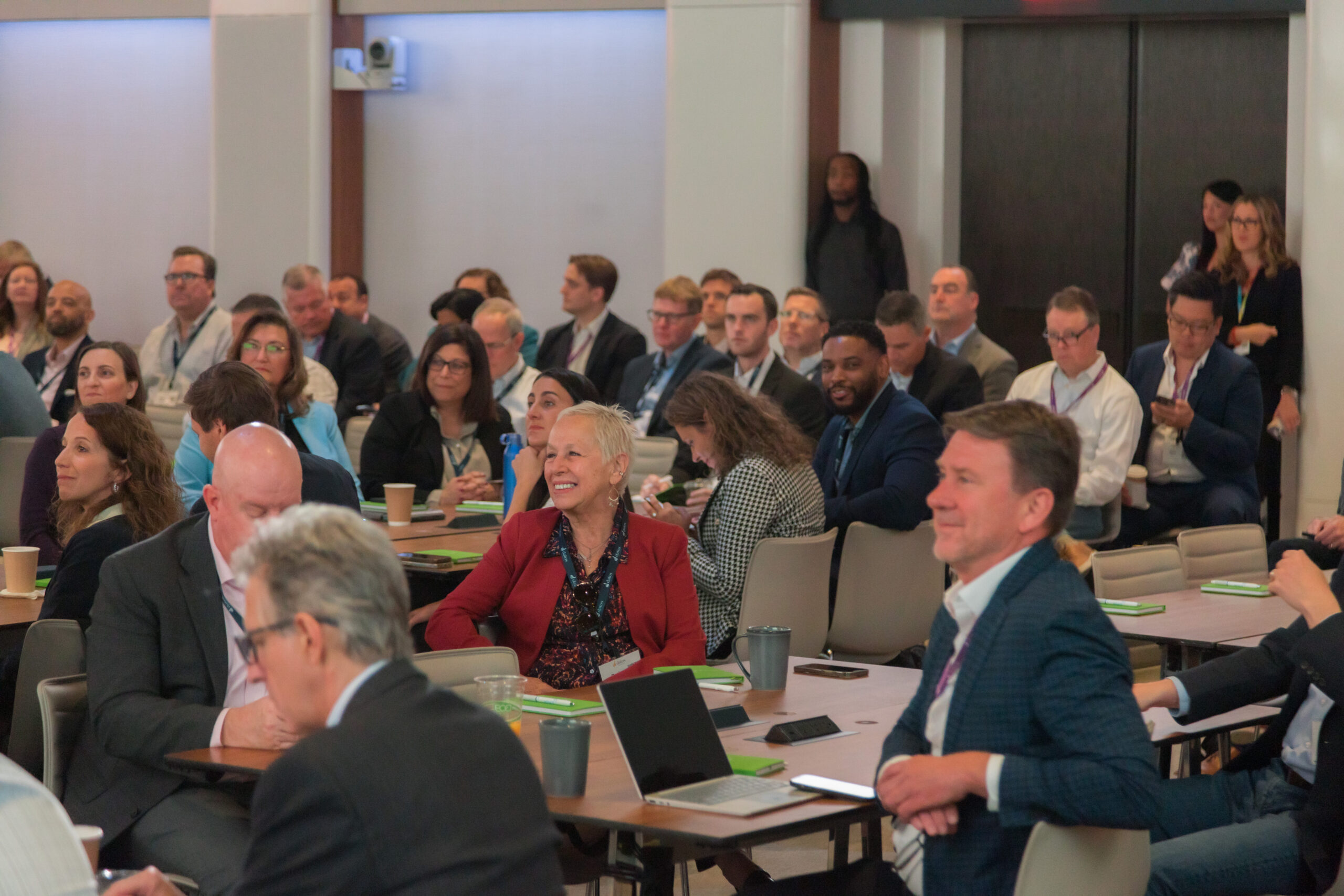
Retail Bank Transformation
Americas
June 8-9, 2026 | Charlotte
Retail banking leaders explore payments modernization, branch transformation, and digital customer experience through Datos research and peer case studies. Join executives from banks and credit unions to compare strategies and share challenges.
Our Services
We help banks modernize payment infrastructure through proprietary research, strategic advisory, and payment technology insights. Our experts provide guidance on payments modernization, vendor evaluation, and implementation strategies tailored to your needs.

Modernize payment infrastructure with specialized research and advisory. Our experts help you develop payment modernization strategies, evaluate payment processing platforms, and implement real-time capabilities that balance innovation with operational stability.

Stay ahead of payment infrastructure evolution with Datos’ proprietary research spanning 70+ countries. Our insights help card issuers, networks, and processors navigate payments modernization trends, technology shifts, and competitive positioning.
FAQs on Payments Modernization
What are the first steps in payments modernization?
Start with assessment of technical debt, compliance gaps, and competitive positioning. Banks that skip this step and jump to vendor selection often choose solutions that don’t integrate with existing infrastructure or address actual priorities. Connect with our advisors to discuss assessment frameworks.
How long does payments modernization take?
Comprehensive transformation typically spans 24-36 months. Quick wins on specific improvements can show results in 3-6 months. Banks attempting big-bang replacements face higher risk of budget overruns, timeline delays, and abandoned projects.
What's the ROI of payment infrastructure modernization?
Modernized banks report increased fee income from new payment products, reduced operational costs, and improved client retention. ROI varies significantly based on starting point, scope, and execution. Our research helps model returns based on your specific situation.
How do we modernize without disrupting operations?
Use phased implementation that maintains service levels on existing rails while building new capabilities. Establish clear governance, realistic timelines, and maintain operational excellence throughout the transition. Many transformation projects fail not from technology but from poor change management.




Speak to our team
Explore our advisory services and speak to our experts about payment transformation.