

Legacy trust accounting platforms break on four fronts: continuous pricing, staking reward classification, cost-basis tracking, and stablecoin settlement. They were built on assumptions that equities and fixed income satisfy and digital assets violate. Trustees respond with manual workarounds—pricing by hand, tracking staking rewards in spreadsheets. These buy time, not resolution. The underlying problem is architectural: Trust accounting systems record transactions passively, but crypto holdings demand active decisions about valuation, classification, and custody that systems don’t support.
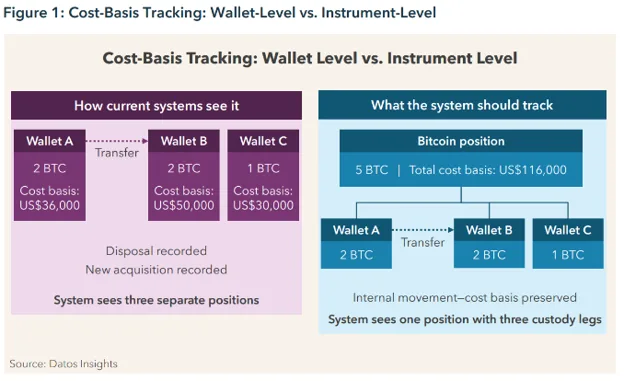
This brief identifies the four structural challenges and what trustees and vendors must do now. Trustees should inventory digital holdings, document classification decisions, and define a fiduciary framework with counsel before examiners ask. Vendors should integrate continuous pricing feeds and classification metadata into trust platforms before volume forces the issue.
About the Author

Other Authors